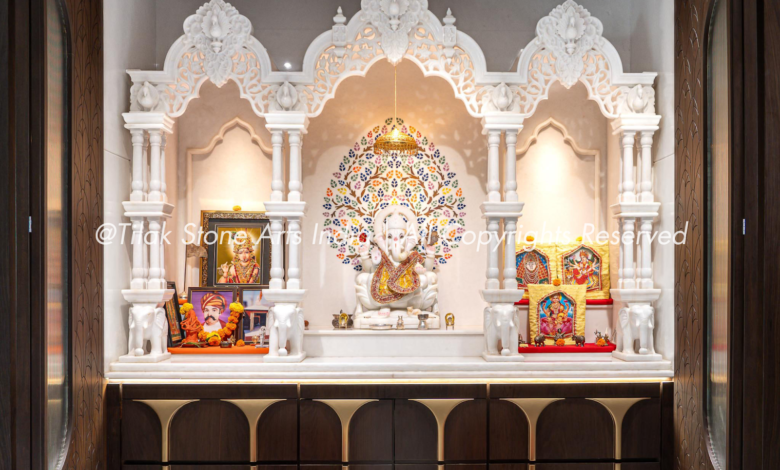
There’s something deeply personal about creating a space for prayer. It’s not just another room in your home. It’s where you begin your day, where you seek peace after chaos, where generations will gather to connect with something larger than themselves.
Perhaps that’s why choosing the right materials and design for a luxury marble pooja room feels overwhelming. You want perfection. You need a space that honors tradition while fitting your modern lifestyle. And somewhere in that process, the fear creeps in: What if you make the wrong choice? What if the marble cracks, the design feels dated, or worse, what if the space never quite feels sacred?
Let’s talk about what actually matters when designing a prayer space that stands the test of time.
Why Marble Remains the Gold Standard
Walk into any centuries-old temple. Notice what’s still standing, still beautiful. Marble. There’s a reason our ancestors chose this material for sacred spaces.
The cool touch under your feet during morning prayers. The way natural light plays across white surfaces. The sense of purity that seems to emanate from properly selected stone. These aren’t accidents of design. They’re the result of understanding how materials shape spiritual experiences.
Vietnam White Marble has become the preferred choice for contemporary temple design. The stone offers a level of refinement that other materials struggle to match. Its fine-grain structure means intricate carvings hold their detail for decades. The natural white color doesn’t yellow with age like some alternatives.
But here’s what keeps homeowners awake at night: marble is permanent. Once installed, you’re living with that choice. That’s why getting the design right from the start matters so much.
Understanding Vastu Without the Guesswork
Vastu principles can feel like a maze of contradictory advice. One consultant says the north-east corner. Another insists on east-facing placement. Your architect has space constraints. Your spouse has aesthetic preferences.
The truth is simpler than most experts make it sound.
Vastu compliance starts with one core principle: the pooja room should feel separate from everyday chaos. That might mean a dedicated room. It could be a thoughtfully carved-out corner. The specifics matter less than the intention behind the space.
East and north-east directions work well because of natural light patterns. Morning sun creates the right ambiance for prayer. But if your home layout doesn’t allow for textbook placement, don’t panic. Proper design can work with almost any location.
What you can’t compromise on is cleanliness and organization. A cluttered prayer space defeats the purpose, regardless of perfect Vastu alignment. Clean lines in marble design help maintain that sense of order.
See also: Creating a Healthy and Beautiful Life for the Whole Family
The Design Approach That Changes Everything
Most people approach pooja room design backwards. They pick a marble. Then they think about carvings. Finally, they try to fit everything into their available space.
Professional designers flip this process.
Start with how you actually pray. Do you sit? Stand? Will multiple family members use the space simultaneously? Do you light oil lamps that need proper ventilation? These practical questions shape everything else.
Your daily rituals determine the temple’s height, depth, and internal layout. Only then do you consider aesthetic elements. This approach prevents beautiful designs that become impractical after installation.
Specialized training in temple design makes a real difference here. Designers who understand both the spiritual significance and the technical requirements of marble work create spaces that function as beautifully as they look.
Material Selection Beyond the Surface
Here’s what the marble supplier won’t tell you: not all white marble behaves the same way. Some varieties absorb oils from daily worship. Others develop hairline cracks in certain climates. A few lose their polish within years.
The Vietnam White Marble, also called the Swiss White Marble, resists these common problems. The stone’s density prevents oil absorption during lamp lighting and aarti ceremonies. Its structural composition handles temperature variations without stress fractures.
For pooja rooms specifically, you have more flexibility. Wonder White Indian Marble works well for surrounding walls. Onyx elements can add warm accent tones. Some designers incorporate different marble varieties to create visual interest while maintaining the space’s sacred feel.
The key is understanding where each material performs best. Altar surfaces need dense, non-porous stone. Decorative walls can handle more variety.
Carving Techniques That Tell Stories
Stand close to a hand-carved marble temple. Run your fingers across the details. You’ll feel the difference between machine-cut patterns and artisan craftsmanship.
Traditional carving techniques create depth that CNC machines can’t replicate. The slight variations in lotus petals. The flowing lines of sacred geometry. These imperfections aren’t flaws; they’re proof of human skill.
But here’s the tension: hand carving takes time. Months sometimes. In a world of quick solutions, that patience feels almost radical. Yet those months of careful work create pieces that your grandchildren will inherit.
Modern projects often blend techniques. CNC cutting handles repetitive elements and basic shapes. Artisans then add the details that bring designs to life. This hybrid approach balances timelines with craftsmanship.
Lighting Design That Honors Tradition
You can get everything else right and still end up with a space that feels off. The culprit is usually lightning.
Traditional temple design relied on natural light and oil lamps. That warm, flickering glow created a specific mood. Modern LED fixtures often feel harsh and clinical by comparison.
The solution isn’t abandoning modern lighting. It’s understanding how to layer light sources. Natural light during morning hours. Warm LED strips for evening prayers. Dedicated spots for oil lamp placement that don’t create harsh shadows.
Marble reflects light differently from other materials. White Vietnam varieties amplify whatever light source you use. That’s beautiful with proper planning. It’s glaring with poor fixture choices.
Consider dimmable systems that adapt to different times of day. Prayer at dawn needs different lighting than evening aarti.
Installation Realities Nobody Mentions
You’ve designed the perfect pooja room. Materials are selected. Craftsmen have finished carving. Now comes the part where many projects fall apart during installation.
Marble work requires precision down to millimeters. Joints need to align seamlessly. Supporting structures must handle the stone’s weight without flexing. One misaligned piece throws off the entire aesthetic.
Professional installation teams bring specialized equipment and experience. They understand how marble expands and contracts with temperature changes. They know which adhesives work for which applications. They’ve solved problems you haven’t encountered yet.
Skimping on installation to save costs almost always backfires. The difference between good and mediocre installation becomes obvious within months.
Maintenance That Preserves Beauty
Here’s a relief, properly selected marble requires surprisingly little maintenance. No harsh chemicals. No complicated procedures. Just consistent basic care.
Daily dusting prevents grit from scratching polished surfaces. Weekly cleaning with plain water keeps the stone fresh. Annual professional sealing protects against staining.
The mistakes happen when people treat marble like other materials. Acidic cleaners damage the surface. Abrasive scrubbing removes polish. Neglecting small issues allows them to become permanent problems.
Set up a simple maintenance routine from day one. It becomes second nature quickly. And that routine protects your investment for generations.
Creating a luxury marble pooja room that truly serves its purpose requires balancing many elements. Material knowledge. Design sensitivity. Technical skill. Spiritual understanding.
The homes that get this right didn’t rush the process. They asked questions. They worked with designers who understood both aesthetics and sacred space requirements. They chose materials based on long-term performance rather than initial appearance.
Your prayer space deserves that same thoughtful approach. Because this isn’t just about beautiful design, it’s about creating a place where your family connects with the divine, today and for decades to come.