Have you ever stood in a pharmacy aisle staring at rows of continence products, wondering which one will work for you? With so many brands using different terms for absorbency and sizing, it’s easy to feel lost.
According to Continence Health Australia, over 5 million Australians experience bladder or bowel control problems, yet 70% never seek help. Many people try multiple incontinence products before finding one that fits properly, absorbs enough, and feels comfortable throughout the day.
At ontexhealthcare.com.au, we understand how frustrating this can be. Words like “super,” “maxi,” and “ultimate” mean different things depending on who makes them, and that confusion often leads to wasted money on products that leak or feel uncomfortable.
This guide breaks down the differences between pads and adult incontinence pants so you can choose with confidence and avoid costly mistakes.
What’s the Difference Between Incontinence Pads and Adult Incontinence Pants?
Incontinence pads are worn inside your regular underwear for lighter leaks, while incontinence pants (also called pull-ups or pull-up pants) replace your underwear entirely and offer fuller coverage for heavier protection.
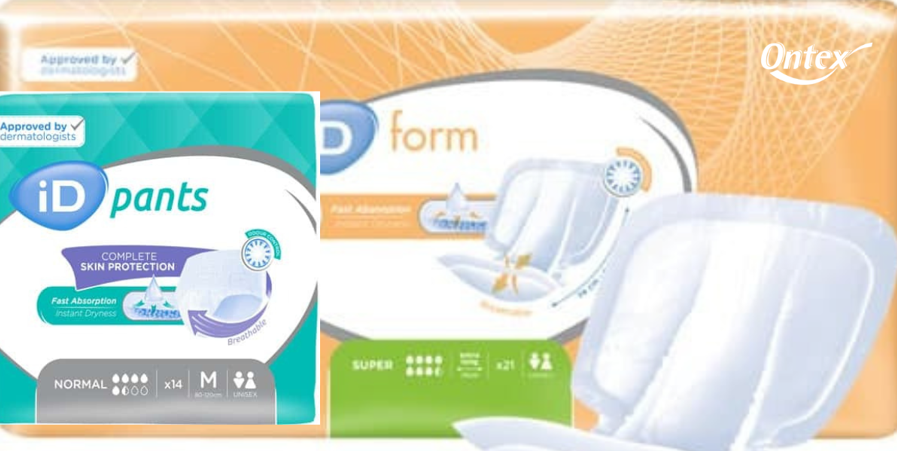
Let’s start with pads. Incontinence pads sit inside your underwear using an adhesive strip. It suits light to moderate bladder leaks and works well for women and men who experience small dribbles when they cough, sneeze, or exercise.
If you prefer wearing your own underwear and only need protection for occasional leakage, pads give you discreet, absorbent coverage without bulk. The thing is, most disposable pads also feature odour control and a waterproof backing to keep moisture away from your skin.
On the other hand, incontinence pants work differently. They replace your underwear completely and provide fuller coverage for moderate to heavy leakage or overnight use. These feel more secure if you’re active or moving around during the day.
The stretchy waistband and leg cuffs create a snug fit that stays in place. Tear-away sides make them easy to remove when it’s time to change.
Beyond absorbency, pants typically hold more fluid and offer better protection for bowel incontinence and faecal incontinence.
For example, if you need nighttime protection or manage both urinary incontinence and bowel leakage, pants provide extra security around the back and sides that pads cannot match.
See also: 6958364943 Geographic Heatmap of Call Origins
How to Choose the Right Product for Your Lifestyle
The right incontinence product depends on how you spend your day, how often you experience leaks, and how much protection you need at different times.

Here are some factors to consider when making your choice:
Staying Active During the Day
Active adults often prefer incontinence pants because they stay secure during movement and feel more like regular underwear. If you’re heading to work, running errands, or staying active around the house, this style gives you confidence without feeling bulky.
Managing Frequent Light Leaks
If you experience frequent small leaks, incontinence pads allow quick changes throughout the day. You won’t need to remove your clothing completely each time. Simply carry spares in your bag and swap them out discreetly when needed.
Protecting Yourself at Night
Nighttime protection usually needs higher absorbency. Many people switch to pants overnight or add bed pads for extra security while sleeping. Washable mattress protectors and chair pads also give you peace of mind if you’re worried about protecting furniture and bedding.
Considering Your Mobility
Your mobility is equally important. If you can stand and move easily, pull-ups work well because you can pull them on and off like regular underwear. But if you have limited mobility or need help from a carer, all-in-one slips with adhesive tabs might be easier to change without standing.
At Ontex Healthcare, our range includes options for every lifestyle and absorbency level.
Practical Tips for Getting the Best Fit and Protection
Ever bought a pack of continence products only to find they don’t fit or leak within hours? A few simple steps can help you avoid this frustration.
Measure Before You Buy
Your clothing size doesn’t equal your continence product size, so measure your waist and hips before ordering anything online. Most brands for men and women have sizing guides, and following the manufacturer’s instructions helps you get a secure, comfortable fit.
Try Free Samples First
Ordering free samples lets you test different products at home before committing to a full pack. According to Continence Health Australia, many companies and suppliers offer free samples, and testing before you buy is one of the best ways to find a product that suits your needs.
At Ontex Healthcare, we offer free samples across our range so you can compare absorbency levels and find what works for your body.
Protect Your Skin
Skin irritation often happens from products that are too tight, too loose, or left on too long after becoming wet. Changing regularly and choosing products with soft, gentle materials helps protect your skin and prevent leaks.
Find the Right Incontinence Product for You
With the right product and a bit of trial and error, managing incontinence becomes second nature. You can get back to living life on your terms.
Finding the right product takes time, and trying a few different options before settling on your favourite is completely normal. If this sounds like you, don’t worry. Many Australians go through the same process before finding what works best.
Ontex Healthcare offers a product selector tool and free samples across our disposable pads, washable bed pads, and incontinence pants range. Contact us at ontexhealthcare.com.au to find solutions that suit your needs.
Disclaimer:
This blog provides general health and product information for educational purposes only. It is not intended to diagnose, treat, or replace advice from your healthcare professional. Always seek guidance from your GP, nurse, continence advisor, or pharmacist regarding your individual needs. If symptoms persist or you’re unsure about product use, consult a qualified healthcare provider.