Every hour a pipeline, drain, or sewer system is out of service, costs stack up fast. For municipalities, industrial facilities, wastewater networks, and plumbing contractors, unplanned downtime disrupts operations, raises repair costs, and increases the risk of environmental or structural damage. The challenge is simple: identify the issue quickly, minimize excavation, and restore flow as efficiently as possible. That’s exactly where modern remote visual inspection (RVI) systems prove their value.
Instead of digging up sections of pipe “just to check,” technicians can insert a push camera, sewer camera, or crawler system into the line to capture clear visual evidence of what’s happening inside. With the right inspection tools—such as industrial pipe cameras like the USA Borescopes USAP-29-260 Pipe Camera—crews can quickly locate blockages, cracks, corrosion, root intrusion, or structural defects before committing to any intrusive work.
How remote visual inspection cuts troubleshooting time
Finding the problem before you pull the engine
Traditional troubleshooting often relies on indirect signs—vibration trends, temperature spreads, performance shifts—and a fair bit of educated guesswork. When the stakes are high, that guesswork usually ends with major disassembly.
Remote visual inspection changes the sequence:
- An issue is detected (performance anomaly, unusual noise, or trend data).
- The engine is borescoped through OEM access ports.
- Real-time images reveal whether there’s visible damage, blockage, or FOD.
If there’s nothing to see, you avoid an unnecessary strip-down. If there is a clear defect, you know exactly where it is and how bad it looks before committing to deeper work. That alone can save days in an overhaul shop or at a remote site.
See also: Techsonu. Com – Discover the Latest Tech Updates at Techsonu
Turning unplanned events into controlled downtime
From emergency reactions to structured responses
Unplanned downtime is disruptive because it forces you into emergency mode: chasing parts, rearranging manpower, and shuffling schedules. RVI helps turn that chaos into a controlled response by:
- Providing objective evidence of the fault early in the process
- Allowing engineering to assess options quickly (blend, repair in situ, remove, or monitor)
- Narrowing the scope of work so you only disturb what genuinely needs attention
Across aviation and other inspection-heavy industries, this shift from reactive to evidence-based decision-making is one of the biggest hidden wins of remote visual inspection.
Supporting on-condition maintenance
RVI also underpins smarter maintenance strategies. Instead of automatically pulling engines or major components at conservative intervals, operators can:
- Inspect internal condition at key milestones
- Extend time on wing or in service when visual condition supports it
- Plan removals around actual need rather than worst-case assumptions
Done properly, this reduces total downtime across the fleet while still keeping a strong margin of safety.
Reducing the scope and duration of engine work
Targeted repairs instead of blanket interventions
Once you have borescope images, you can be more precise in your repairs. For example:
- Localised FOD on a handful of blades can sometimes be blended in place.
- Minor liner damage may be monitored and re-inspected, not immediately replaced.
- Confirmed absence of internal damage may justify clearing an engine for continued operation after a suspected ingestion event.
Each of these scenarios means less intrusive work, shorter shop visits, and more predictable engine availability.
Fewer surprises during tear-down
Even when removal and full disassembly are necessary, RVI done beforehand still helps reduce downtime:
- The shop can pre-plan parts, tooling, and specialist skills based on known findings.
- Work scopes can be agreed in advance, minimizing delays while waiting for approvals.
- Unexpected discoveries are less likely, because many issues have already been visualized.
That preparation compresses turnaround time and keeps engines moving through the maintenance pipeline instead of queuing on stands waiting for decisions.
Choosing the right RVI tools to support lower downtime
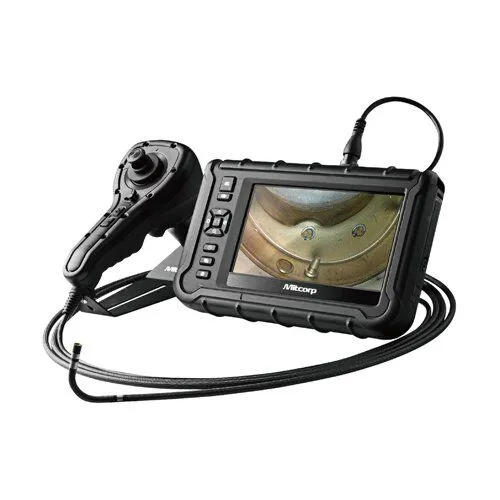
Matching borescope capability to your engine mix
Not every borescope or videoscope is equal when it comes to reducing downtime. To make inspections genuinely useful, you need equipment that can:
- Reach all relevant stages through existing ports
- Provide clear, high-resolution images under real-world lighting conditions
- Articulate around blades, vanes, and internal features without fighting the probe
- Capture and store images and video in a way that supports fast engineering review
Professional aviation-focused systems are built with these requirements in mind from day one, which is why many operators work with specialists rather than generic camera suppliers.
Building service and support into your plan
To truly reduce downtime, it’s not enough to own good tools—they have to be available and reliable when you need them. That’s why a sensible RVI strategy includes:
- Regular functional checks and cleaning routines
- Planned evaluations and calibration
- Fast access to repair and loan options when something fails
Specialist inspection equipment services help ensure that a damaged probe or tired articulation mechanism doesn’t become the new cause of downtime right when you’re trying to solve another problem.
Integrating RVI into your maintenance processes
Standardizing procedures and training
Remote visual inspection delivers its best value when it’s integrated into maintenance manuals, task cards, and standard operating procedures—not just used ad hoc. That usually means:
- Defining when and where borescope inspections are mandatory or recommended
- Training technicians in insertion paths, viewing angles, and defect recognition
- Establishing documentation standards so engineers always have usable evidence
The result is faster decision-making, fewer repeated inspections, and more consistent outcomes across different shifts, bases, or MRO partners.
Using RVI data to improve long-term reliability
Images and videos from borescope inspections aren’t just for one-time decisions. Over time, they provide a valuable history of engine condition that can:
- Reveal patterns in wear, erosion, or FOD across fleets or environments
- Support reliability studies and root cause investigations
- Inform negotiations with OEMs or lessors by backing discussions with visual evidence
Reducing downtime isn’t just about responding faster today—it’s about learning enough from each event to prevent or soften the next one.
How USA Borescopes helps operators cut downtime with RVI
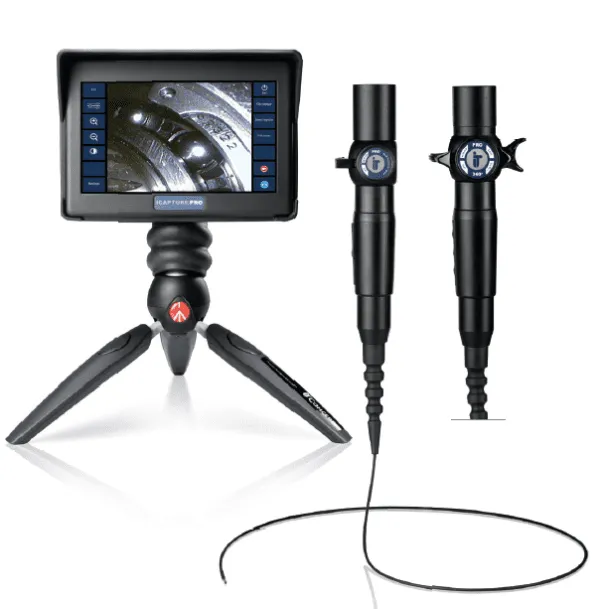
Remote visual inspection is a powerful tool for reducing engine downtime—if you have the right equipment, processes, and support structure in place. That’s where a specialist like USA Borescopes adds value.
USA Borescopes focuses specifically on borescopes, videoscopes, and related RVI equipment for aviation, power generation, and other demanding sectors. Their experience helping operators and MROs select, deploy, and support the right tools—rather than just selling hardware—is reflected in the company’s background and customer focus, outlined on their About Us page.
If you’re looking to reduce engine downtime, strengthen troubleshooting, or move toward more on-condition decisions, it’s worth talking with a team that lives and breathes remote visual inspection. To review your current setup, explore better-suited systems, or plan a more robust RVI strategy, contact USA Borescopes and speak with their specialists